Contents
- The paid-ad treadmill vs. the list you already paid for
- The three automated flows every store needs
- 1. The immediate checkout recovery (45-minute trigger)
- 2. The post-purchase check-in (Day 1 to Day 14)
- 3. The 60-day re-engagement for past buyers
- Strip away the HTML templates and write plain text
- How to turn this on in an afternoon
We configured a three-tier lifecycle trigger in Klaviyo last month that watches for checkouts left untouched for 45 minutes. It bypasses hero images and discount banners entirely, delivering two plain-text sentences from a real sender address directly to the primary inbox.
The paid-ad treadmill vs. the list you already paid for
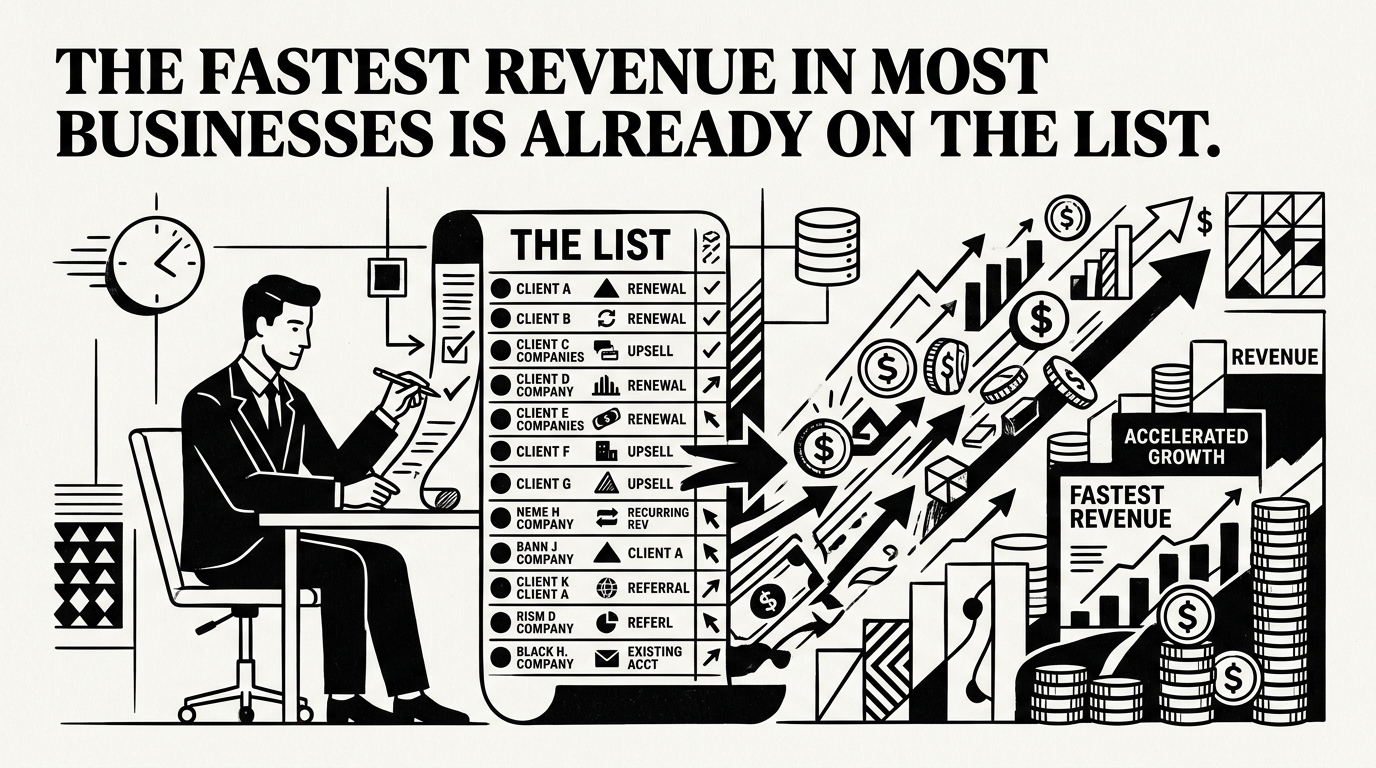
Most software and commerce teams spend months fighting rising customer acquisition costs on ad platforms. You watch cost-per-click numbers creep up year over year while pouring energy into top-of-funnel traffic. Meanwhile, thousands of real people who already gave you their email address—or bought from you once six months ago—sit quietly in your database receiving nothing except the occasional blast.
When you buy paid traffic, you pay for every single impression regardless of whether the user converts. But when someone initiates a checkout or completes a first order, that acquisition cost is officially sunk. The contact is already in your database. Re-engaging that person doesn't require a daily ad budget or a bidding war; it requires a few reliable automated triggers set up to listen for specific user actions.
Setting up lifecycle email isn't about sending spam or managing a demanding weekly newsletter schedule. It is about building quiet software hooks that respond with clear, plain-text communication at the exact moment a customer stalls or finishes a purchase.
The three automated flows every store needs
If you turn on nothing else, three simple lifecycle automation paths handle almost all the revenue sitting dormant in an existing contact list.
1. The immediate checkout recovery (45-minute trigger)
Most abandoned cart emails fail because they arrive eight hours too late and look like a slick magazine advertisement. When a customer drops off at the shipping screen, they usually got distracted, stepped away from their screen, or had a quick question about delivery times.
The solution isn't a graphic banner with three discount codes. It is a plain-text email sent 45 minutes after the session stalls, formatted to look like a direct message from a real person on the team:
"Hey—noticed you left some items in your cart. Did something go wrong at checkout, or can I help answer a quick question about shipping?"
Because it arrives while intent is high and looks like a personal note, it cuts through promotional noise. There are no heavy images to render, no promo buttons that push the email into Gmail's hidden tabs, and no false urgency. It simply re-opens the conversation.
2. The post-purchase check-in (Day 1 to Day 14)
The highest-intent moment in a customer's journey isn't right before they buy—it is right after. They handed over money and are waiting for their product. Most brands waste this window by sending an automated receipt and then vanishing for two months.
A proper post-purchase sequence builds trust across the first two weeks:
- Day 1: Send the receipt alongside a concise, zero-fluff guide on how to set up or get the most value from the item on day one.
- Day 5: Check in to confirm delivery or setup went smoothly. Address the two most common friction points right inside the body copy.
- Day 14: Share a short tip or secondary use case that deepens the utility of what they bought.
When people succeed with their initial purchase, they return naturally. You aren't pitching them another item yet; you are making sure the first purchase lands cleanly.
3. The 60-day re-engagement for past buyers
A buyer who hasn't ordered in two months isn't lost—they just moved on to other things. Sending a generic broadcast blast to your entire list twice a week usually leads to unsubscribes. Instead, build a dynamic segment that isolates customers whose last transaction hit the 60-day mark without a subsequent order.
A plain, direct re-engagement note works best here. Acknowledge the gap, remind them why they bought originally, and highlight what has been updated, restocked, or refined since their last visit.
Strip away the HTML templates and write plain text
The biggest friction point in lifecycle marketing is production overhead. Teams delay launching automated messages for months because they assume they need custom design templates, hero graphics, and elaborate branding guidelines for every transactional touchpoint.
In practice, plain text consistently outperforms heavy HTML templates.
- Deliverability: Multi-column HTML templates packed with images and social icons trigger spam and promotional filters. Plain text lands squarely in the Primary inbox.
- Perception: Visual ads look like commercial pitches designed to take money. Plain text looks like a real person reaching out to help.
- Speed: A plain-text flow takes two hours to write and deploy, compared to weeks of design reviews and asset production.
Trimming away visual decoration forces the copy to carry the weight. You talk to the reader like a colleague, addressing their situation plainly without corporate buzzwords or artificial pressure.
How to turn this on in an afternoon
You don't need a dedicated marketing department or complex enterprise tools to make this work. Here is the operational sequence to launch:
- Clean your list tags: Ensure your store or application correctly tags purchasers versus non-purchasers, and captures checkout emails at step one of the checkout form.
- Draft plain-text copy for the three core flows: Write the 45-minute checkout follow-up, the 3-step post-purchase guide, and the 60-day buyer check-in. Keep every email under 150 words.
- Set strict exclusion logic: Ensure that as soon as a customer completes a purchase, they are immediately filtered out of cart recovery sequences.
- Enable the triggers and step back: Automated lifecycle flows don't require daily maintenance. Let them run quietly while you focus on building the product.
The audience cost is already paid; the only remaining expense is the few minutes it takes to write plain text and switch the triggers on.
Weekly Briefing
The studio briefing.
What we’re building across the portfolio, every Monday.
Written by
Founder, Total Ventures
Solo-founder building and operating a multi-brand product studio with AI agents. Writing about building, operating, and shipping.